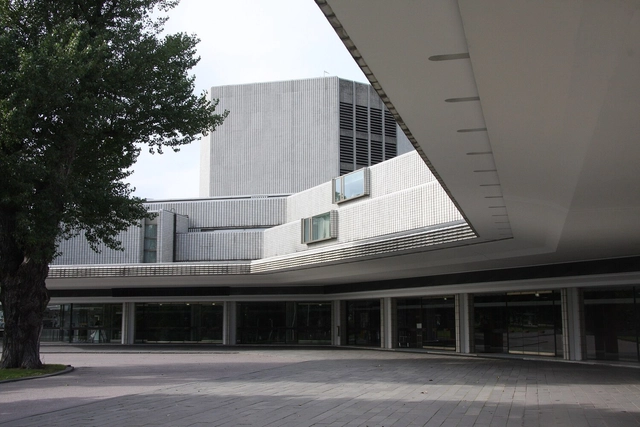
Architecture competitions have long been a means for nations to shape their identity, cultural landscapes, and built environment. They provide a platform for international architects to contribute to national projects, often reflecting broader ambitions of modernization and global recognition. In 1976, Bahrain launched potentially the first major architectural competition—a call for designs for a National Cultural Centre, bringing some of the world's leading architects into the Gulf's emerging architectural discourse. Though the winning design by Timo Penttilä was never built, the competition remains a key moment in Bahrain's history, illustrating the challenges of translating external visions into local realities.
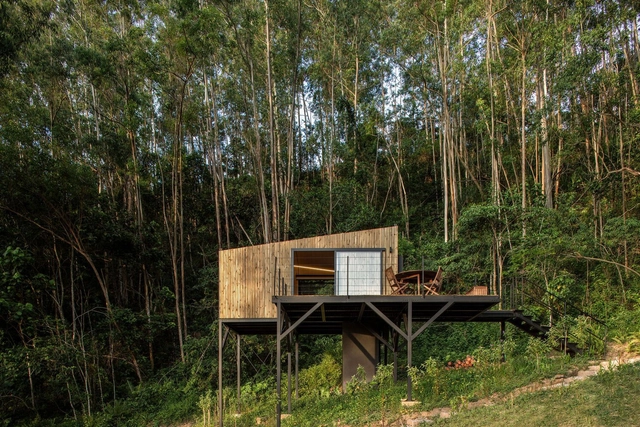
The Latin American territory encompasses a vast diversity of climates, atmospheres, and temperatures across its entire expanse. Amid forested landscapes, jungles, or coastal settings, many architects choose to design cabins immersed in natural surroundings, seeking to foster a deeper connection with nature by distancing themselves from the city. While experimenting with different materials and local techniques enhances a stronger bond with the site's traditions and creates a distinct architectural identity for each region, the integration of technological innovations and new construction materials can offer greater resilience to climate change, improve short- and long-term maintenance, optimize construction timelines, and address other key considerations.