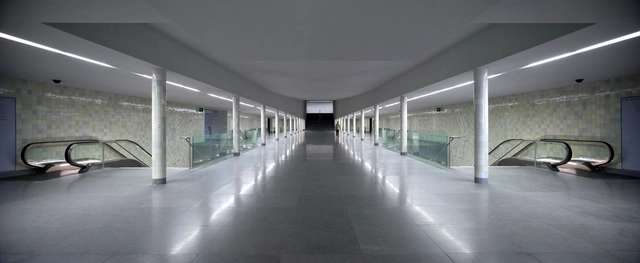
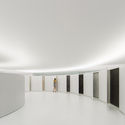
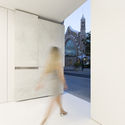
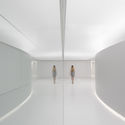
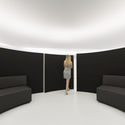
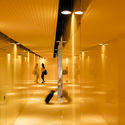
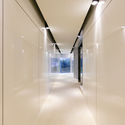
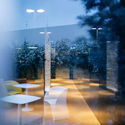
The following photo set by Fernando Guerra focuses on Porto's Subway, a project completed in 1996 and projected by the important Portuguese Architect Álvaro Siza Vieira.
Designing a subway station in Porto is about influencing the daily lives of thousands of people, where they daily circulate, establishing flows and routes, in a urbanistic and architectural intervention with large-scale dimensions. Although it demands an extremely functional and austere design, it is possible to see the gestures of the architect through the details and surprises.
Tackling the widespread issue of climate change, Universidad EAN (UEAN) in Bogotá, Colombia illustrates the same construction philosophy taught to the students in their new building under the title of ‘Project Legacy.' As the next generation fill the seats of the new auditorium they will be party to the very thinking that went behind the building, solidifying their knowledge as they get to experience it first-hand.
The architects, William McDonough + Partners, are no stranger to the cradle-to-cradle ethos that inspires their sustainable approach. The philosophy models the human industry on the processes within nature to maximise usage of materials for as long as possible – recovering and regenerating products. These perpetual cycles are a long-term solution to the dominant system that uses the cheapest materials in manufacturing.
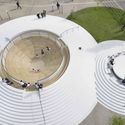
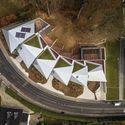
This week we have prepared a special selection of 20 images of architecture as seen from the sky. This style of image, made possible by the emergence of drones, is increasingly used in architectural photography. It makes it possible to understand, in a single image, the totality of a project, and to see how the project interacts with the context in which it is immersed. Read on to see a selection of renowned photographers such as Hufton + Crow, Fernando Guerra, NAARO, and Jesús Granada.
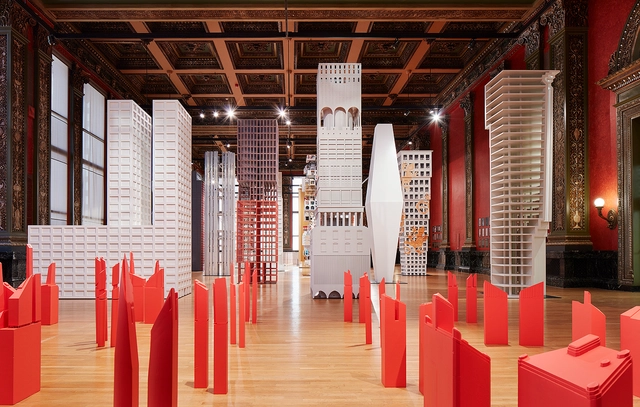
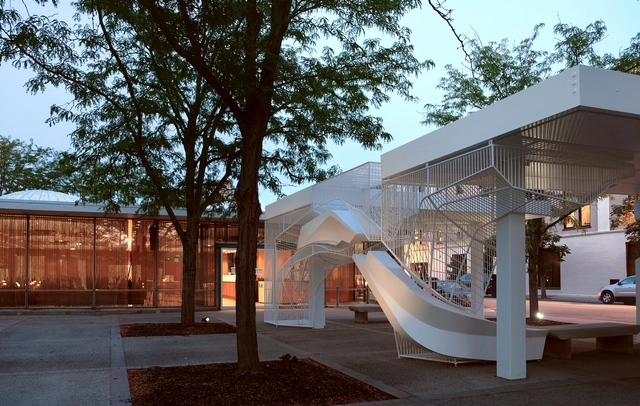
While architecture exhibitions have a tendency to be drab affairs with poorly displayed poster boards and reams of intellectualized text spouting pseudo-complex ideas, the Chicago Architecture Biennial stands out for its undeniable sense of playfulness. From its central HQ to the fringe performance events, this exhibition is bright, fun and Instagram-ready.
Chicago, like Venice, is blessed when it comes to architecture, making the city an ideal home for a recurring architecture show. The importance of this year’s iteration, the second after its inaugural event in 2015 (thus confirming its status as an actual “Biennial”), is clear. And the curators, Sharon Johnston and Mark Lee from LA-based practice Johnston Marklee, seem determined to grab people’s attention.
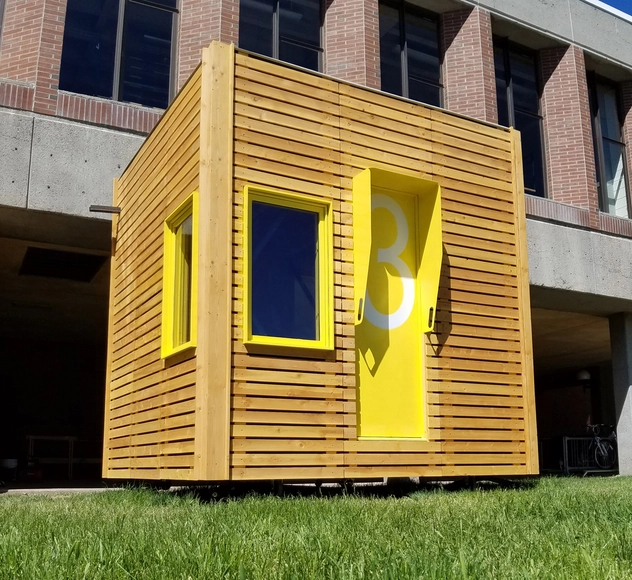
Three M. Arch. candidates at Montana State University, Jonathan Chavez, Kimball Kaiser and Adam Shilling, won an Undergraduate Scholars Programresearch grant which they used to fund their design-build project: B.O.B., the Backyard Office Box. B.O.B. is a kit of parts which, when put together, create a 150-square-foot dwelling space. The design team, also known as Tr3s, wanted their project to be adaptable to a variety of sites and users. B.O.B. can function as an additional space to already existing projects or standalone as a temporary shelter.
Architect Alfredo Thiermann has recently collaborated with Chilean Filmmaker Marialy Rivas in her latest film “Princesita." The film will be premiered next week at the Toronto International Film Festival.
Alfredo Thiermann’s practice has been long involved in the interaction of architecture with other medias (Artifact Nr. I Dynamics of the Void Noise Tower ) and here is the result of his last collaboration with “Fabula Productions," also known for Pablo Larrain’s academy- nominee ”No” and Sebastian Lelio’s “Gloria."
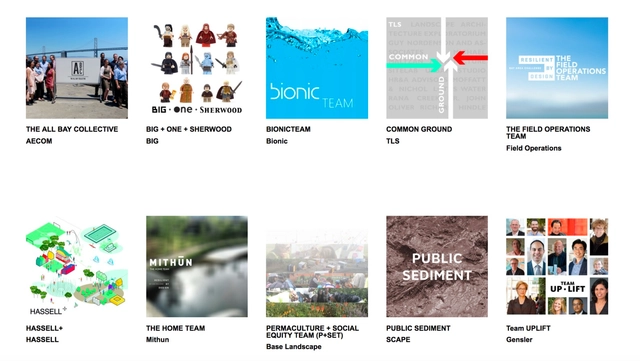
From a pool of over fifty submissions, Resilient by Design have chosen ten winning teams to collaborate with engineers, climate change experts, designers, architects and community members to imagine a better future for The Bay Area in the face of potentially devastating climate change. The winning teams AECOM, BIG, Bionic, TLS, Field Operations, HASSELL, Mithun, Base Landscape, SCAPE and Gensler will spend the next year on a combination of collaborative research projects and site-specific conceptual design solutions.
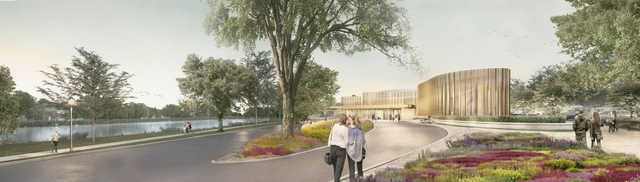
North America’s largest classical repertory theatre company, the Stratford Festival revealed Hariri Pontarini Architects’ design for their new Tom Patterson Theatre at a town hall meeting last month. According to Antoni Cimolino, the Stratford Festival’s Artistic Director, the company desires a new facility that compares to distinguished theatres worldwide.
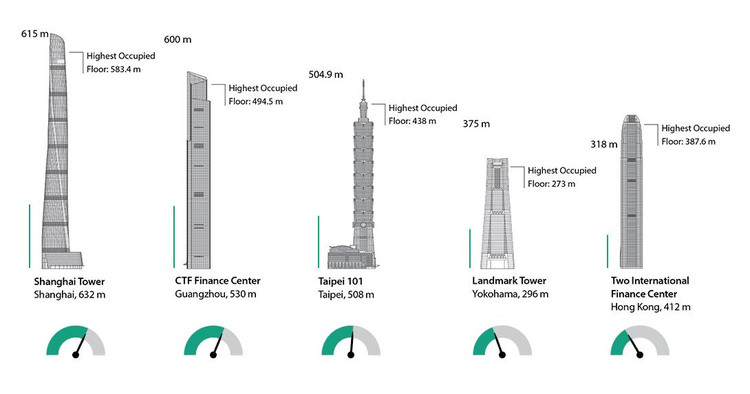
The targeted maximum wait time in office building elevators is 20 seconds—it just feels like 2 minutes when you’re in a rush. But how quickly are the elevators actually moving?
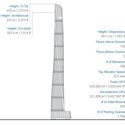
The fastest installed elevator reaches speeds of 67 feet per second (20.5 meters per second), or 46 miles per hour (73.8 kilometers per hour) in the Shanghai Tower. Not only does the Gensler-designed Shanghai Tower boast the fastest elevator, but also the longest continuous run of 1,898 feet of the 2,073-foot tower (578.5 of 632 meters), as revealed in a recent study by the Council on Tall Buildings and Urban Habitat (CTBUH). At these speeds, you can reach the 119th floor in 55 seconds.
Michel Kozman has imagined a light-filled library for Hyde Park as part of the Archasm Hyde Park Library Competition that ran earlier this year. The competition, which attracted 378 registrations, called for “a stimulating and exciting approach towards the design of a library at Hyde Park.” The brief requested consideration be given to modern forms of media, including audiovisual and digital technologies, challenge the traditional library typology and become a zone within the park for knowledge exchange and gathering.