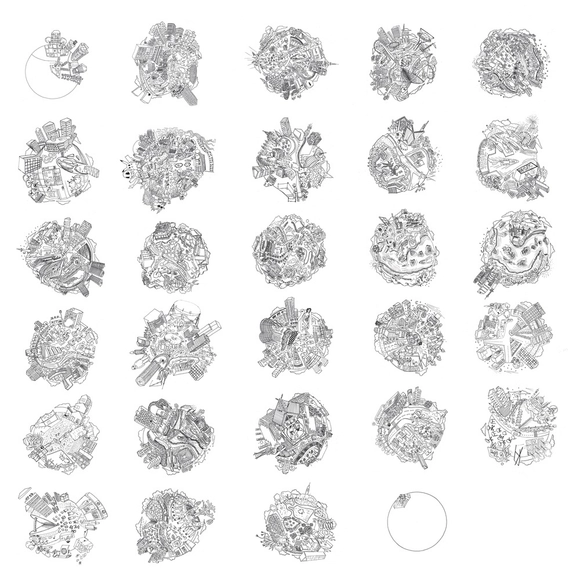
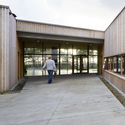
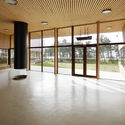
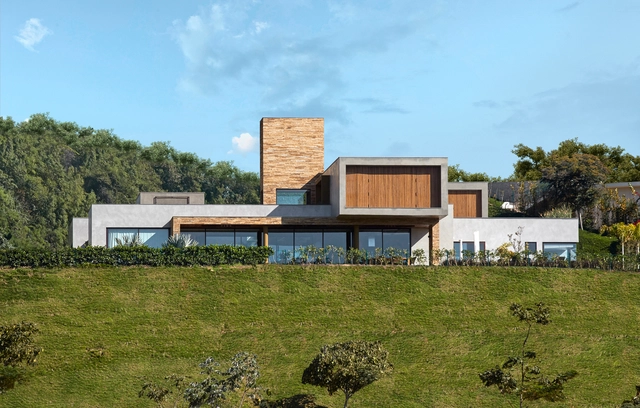
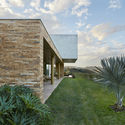
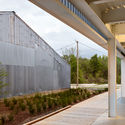
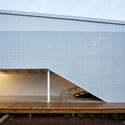
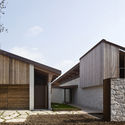
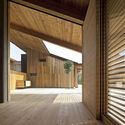
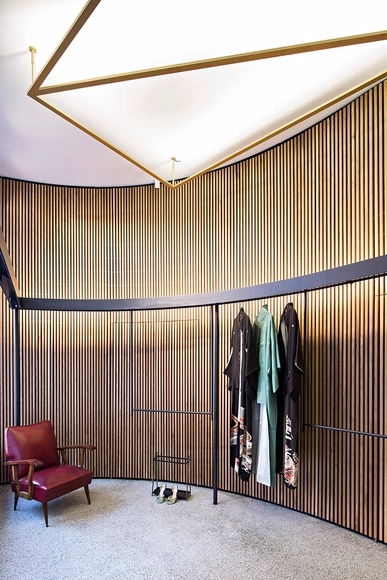
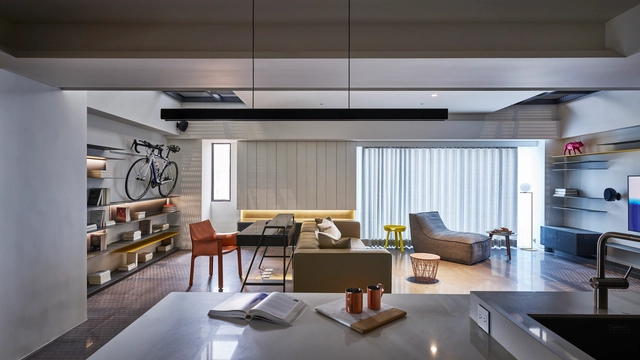
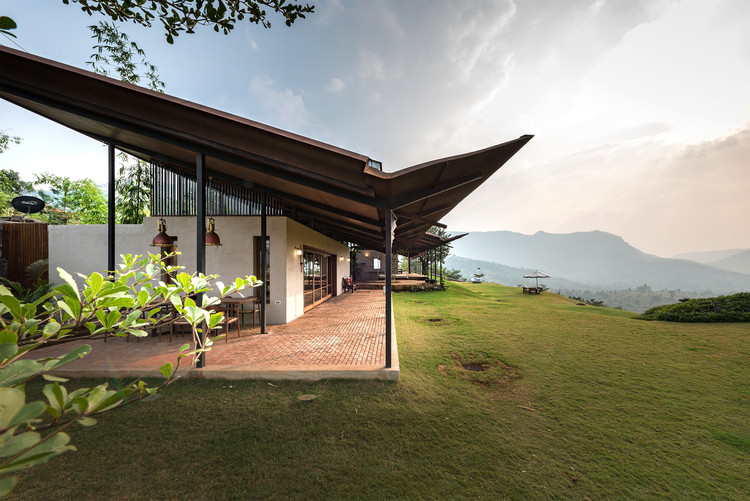
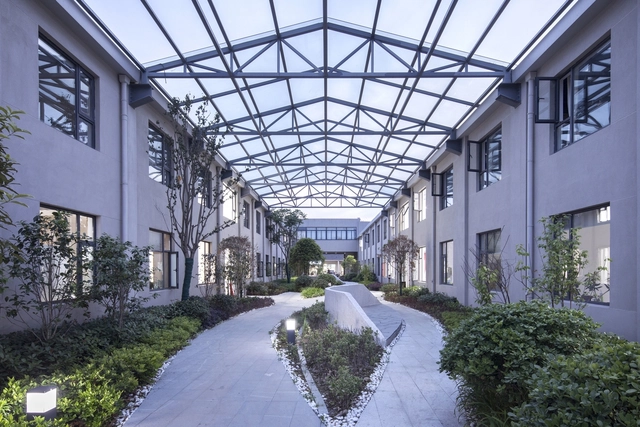
1st prize - The One Day Unit / Charles Weinberg and Shai Ben Ami (Click Image for Full Size). Image Courtesy of Arkitektskolan Aarhus
The Aarhus School of Architecture has revealed the winners of their drawing competition, Drawing of the Year 2017, which asked architecture students around the globe to submit their best digital, hand-drawn or hybrid drawings under the theme of “Everyday Utopia.”
More than 230 submissions were evaluated by an esteemed jury of architects, which consisted of Moon Hoon, founder of Moon Hoon Architects; Trine Berthold, associate partner at schmidt hammer lassen; and Torben Nielsen, professor at Aarhus School of Architecture.
The jury was impressed by the “overwhelming burst of creativity and clever concepts demonstrated in the drawings,” calling out the high level of craft and experimental approaches to drawing.
The idea for the vessel came from feeling that we shouldn’t just make a sculpture or a monument – it felt to us that rather than building a sculpture, it would be great if something was creating more public space.
Construction on the Santiago Calatrava-designed St. Nicholas National Shrine at the World Trade Center has halted, after the church failed to make a series of payments over a several month period to contractor Skanska.
As revealed by the Pappas Post, last week the construction company distributed a letter to its subcontractors informing them that the building contract had been terminated after The Greek Orthodox Archdiocese of America defaulted on making payment. In the letter, Skanska directed subcontractors to stop all work and to remove all tools and materials from the site, or risk not being able to recover them.
“The reason that highly designed contemporary architecture almost exclusively manifests in iconic structures is that it’s the only way that investing in design and aesthetic quality can turn a profit.” This is the central assertion of “The Politics of Architecture Are Not a Matter of Taste,” published in Common Edge a couple of weeks ago (and republished as “Hate Contemporary Architecture? Blame Economics, Not Architects” on ArchDaily). Marianela D’Aprile’s impassioned essay takes issue with a Current Affairs piece from October, “Why You Hate Contemporary Architecture,” in which the authors, staff writers Brianna Rennix and Nathan J. Robinson, hate on the current state of the design industry.
Both articles confuse me. “Good buildings recede seamlessly into their surroundings,” Rennix and Robinson claim, but the buildings they praise—figural structures such as London’s St. Paul’s Cathedral and the Moorish palace of The Alhambra—stand out prominently. D’Aprile criticizes the authors’ imprecise use of terminology, but, as the opening passage above shows, her own language can be vague, relying on words such as iconic, ubiquitous shorthand among architects. (If it’s intended to convey “distinctive,” the irony is that most buildings described with that term have a similar sculptural character, so in our mind’s eye they all sort of blend together—the opposite of distinction.) She defines architecture as “buildings that have been designed for construction in the physical world.” Aren’t all buildings constructed “in the physical world”? And are all unrealized designs necessarily relegated to something other than architecture?
Sometimes all your project needs is that little push or three. Travelling on public transport with a model you have spent hours painstakingly fussing over is one of the more stressful situations for an architecture student, especially when you must present it to your tutor. The violence that occurs on a busy bus inevitably predicts the end of your creation, your only hope left is to photoshop what remains.
However, the tutor’s response can be somewhat unpredictable (much like the demise of your model) and you can find yourself in a rare situation where they actually like it. Who knows what is going through their heads, but at the end of the day, they are the ones marking it so I wouldn’t argue.
The Leewardists have perfectly illustrated in their comic the pain that consumes us as we watch our most pride possession deteriorate in front of our eyes.
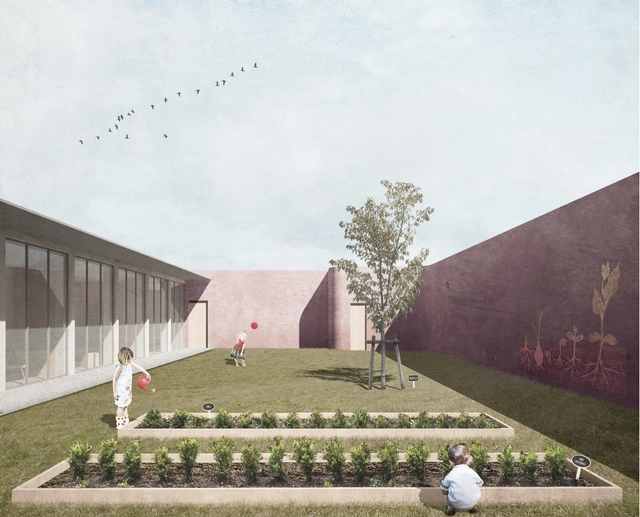
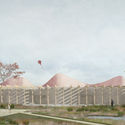
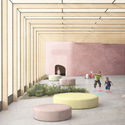
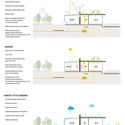
Winning the Italian Ministry of Education's design competition: Scuole Innovative, AS.IN.O is a proposal for a kindergarten and botanical gardens inspired by local materiality and historic context. The team from aut- -aut in Italy, comprised of Gabriele Capobianco, Edoardo Capuzzo Dolcetta, Jonathan Lazar and Damiano Ranaldi, based the layout of the scheme on the typical double courtyard house typology of the Campidano Meridionale area.