Manufacturers: Interface, Aluminio y Tecnologia de Chihuahua (Al-tech), Berridge, Grupo Cementos de Chihuahua, Herman Miller, +4Interceramic, Ladesa, Magg y Tecno Lite, Muro Móvil de México-4
In preparation for the first World Forum on Urban Forests promoted by FAO (Food and Agriculture Organization), which will be held from November 28 to December 1, 2018 in Mantova, Italy, Stefano Boeri Architetti has launched a global call for action regarding projects, strategies and ideas in relation to urban forestry.
We, designers of the first Vertical Forest in Milan, invite architects, urban planners, botanists, agronomists, forestry corps, tree growers, geographers, ethologists, landscape scientists, technicians, researchers and experts in green care and urban forestry, real estate developers, administrators and representatives of local institutions and civil society, members and representatives of international organizations, funding agencies, universities and research institutes, and NGOs,
Sustainability. A word that, for many of us, has been driven into our minds from the very start of our careers as architects. We have a responsibility to the planet and future generations to design buildings that are socially conscious—from solar panels to triple-glazed windows, we have tried it all.
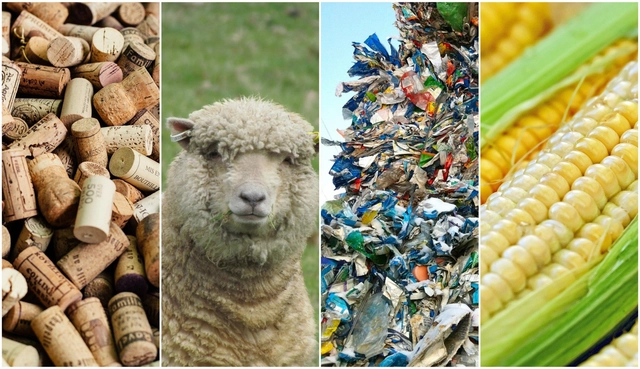
Ultimately, whether our designs are sustainable comes down to the early decisions we make for the building, with our choice of materials having a huge effect on the overall carbon footprint. With new technologies come new ways of incorporating abundantly found materials into the skin of the building that could reduce the building's embodied energy and enhance the structure's properties.
In this article, we have compiled a list of 8 familiar materials that you wouldn't initially associate with sustainability but which you might consider for your next design.
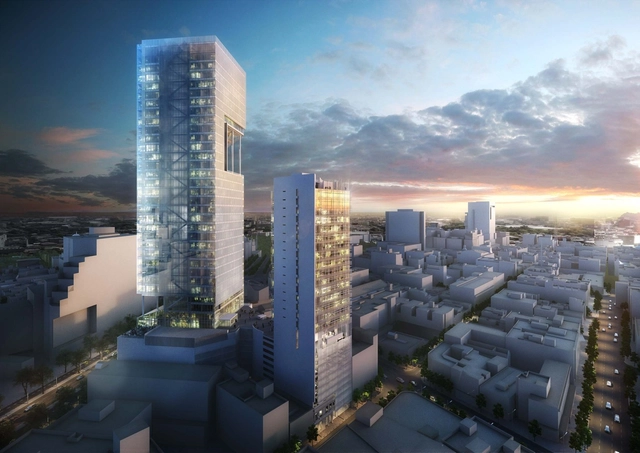
The new year is almost here, and Richard Meier & Partners has four international projects that will be coming to fruition. These new multi-use building designs play with light, transparency, and volume as well as respond to their varying urban context.
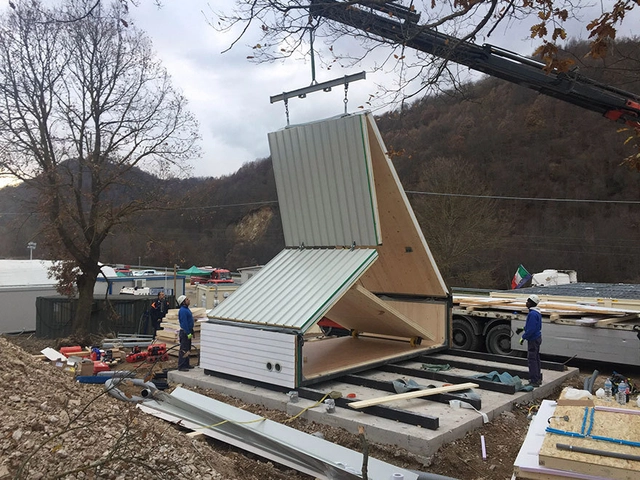
An Italian architect is proposing a new model of housing that, unlike the traditional residences, does not consist of a settled building, but in a folding and transportable house. It can be assembled in just six hours with the help of three people.
















.jpg?1514062956 "© Nelson Kon")
.jpg?1514062418 "© Nelson Kon")
.jpg?1514062055 "© Nelson Kon")
.jpg?1514062695 "© Nelson Kon")