

-
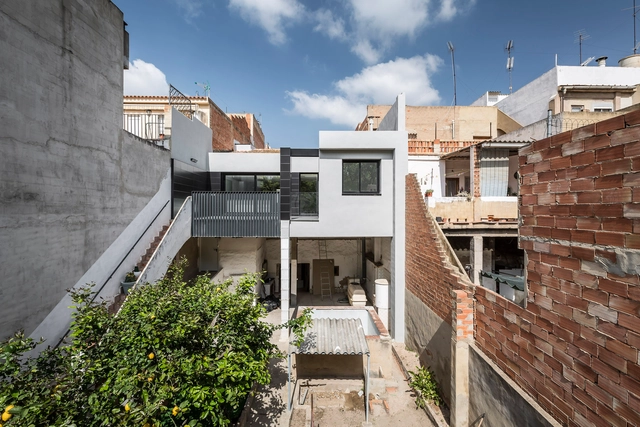
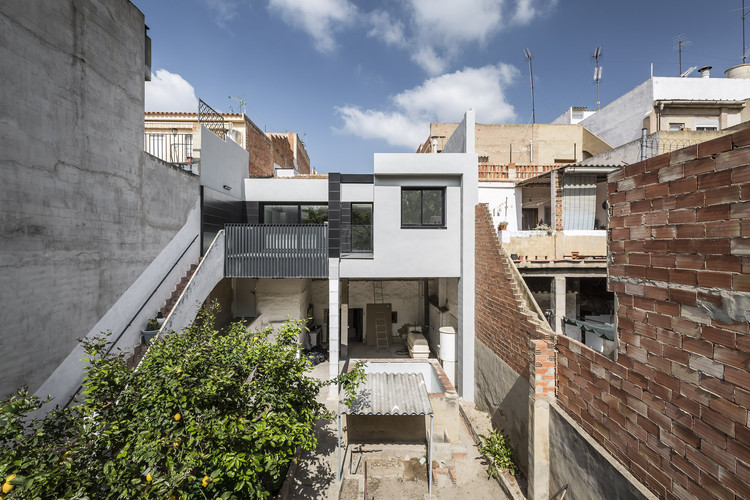
Architects: alberto facundo
- Area: 140 m²
- Year: 2018



As part of our 2018 Venice Architecture Biennale coverage we present the proposal for the Egyptian Pavilion. Below, the participants describe their contribution in their own words.
The Egyptian pavilion curated by architects Islam El Mashtooly and Mouaz Abouzaid, and architecture professor Cristiano Luchetti proposes the theme of redevelopment and strategies of requalification of spontaneous commercial spaces across the entire country. The phenomenon of "free", unstructured, often abusive and illegal trading is predominant in many urban and suburban areas. The traditional souk is no longer confined to narrow streets and interstitial spaces of the historical fabric. Indeed, the space of commerce extends its tentacles seamlessly along the lines of urban streams without any apparent rule. The project for the pavilion focuses on these strategic spatialities but also on their content. The trading of Roba Becciah is a large portion of all market activities. Disused items produced and dismissed by consumerist societies are first collected, and then stacked in areas of such dimensions to create mono-functional enclaves for future trading purposes. The Roba Becciah represents for the curators an important metaphor of the anthropological-urban condition of the contemporary world.




The Oscars for building performance have returned! The 2018 UK Passivhaus Awards are free to enter for all certified Passivhaus & EnerPHit schemes that not only have architectural ambition, but can also prove their impeccable eco credentials.
Benefits of Entering:
• The UK Passivhaus Awards are the only dedicated awards for Passivhaus in the UK.
• All shortlisted projects in the awards will be promoted as exceptional examples of their sector through all the Passivhaus Trust marketing channels and the media.
• All finalists will present their project at the awards ceremony, due to take place on the 24th October 2018, at London

As part of our 2018 Venice Architecture Biennale coverage we present the proposal for the Canada Pavilion. Below, the participants describe their contribution in their own words.
After close to 60 years of exhibitions featuring the work of some of Canada’s most celebrated artists and architects, the Canada Pavilion in Venice, Italy is undergoing a major, $3-million restoration. The designated heritage building is an important architectural landmark in the Giardini di Castello, the traditional site of the International Art and Architecture Exhibitions of La Biennale di Venezia.

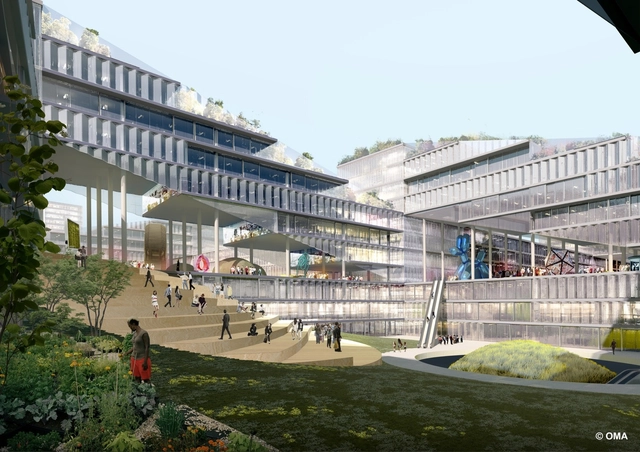
OMA has been announced as one of four firms to win an international competition for the design of Unicorn Island in Chengdu, an “innovative masterplan specifically designed for New Economy companies.”
As China moves from a production-orientated economy to a knowledge and service-based economy, the masterplan seeks to provide a variety of working and living conditions for both start-up firms and “Unicorn” companies, those with a value of over one billion US dollars. Along with OMA, the four winners also included Morphosis, who were recognized for their walkable scheme integrating business, green infrastructure, and lifestyle.

Celebrating its 75th anniversary, the Institute of Architects of Brazil - Department of São Paulo (IABsp) has launched an unprecedented call for the selection of a curatorial proposal for the Architecture Biennale of São Paulo, to be held between September and December 2019. The proposal should formulate and justify the core program, concepts and themes that frame the Biennale.

This year, in partnership with MINI Clubman, we are launching a special award that highlights the best refurbishments of buildings and spaces from around the world.
Alongside MINI, we have decided to promote this category in the belief that one of the most sustainable ways to develop architecture now is through the recovery of existing structures. From urban renovations to new uses for former factories, or even simply giving new life to an old house, refurbishment projects demonstrate the flexibility of our existing cities and the many scales at which old buildings can be repurposed.
As in our Building of the Year Award, we entrust our readers with the responsibility of rewarding the best refurbishment projects in architecture—the designs that have had an impact on our profession. By voting, you are part of an impartial and distributed network of professionals who act as a jury to choose the most relevant works of the last eight years. Over the next 3 weeks, the collective intelligence of our audience will filter more than 450 projects to select 3 winners representing the best of architecture refurbishment published on ArchDaily.

Polished concrete is a versatile material that is easily customizable in its appearance, using stunning aggregates, quartz, and colors to create a sense of industrial sophistication in both homes and commercial buildings. Its reflective surface creates an evocative quality under light, which can be suitable for a variety of programs.
While still mainly used as a material for interior flooring, architects have been pushing the limits of polished concrete for years, using it for feature walls, patio floors and even large exterior panels such as in David Chipperfield’s extension to the Saint Louis Art Museum.




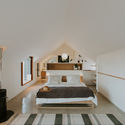
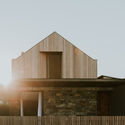
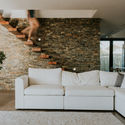
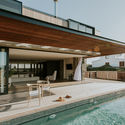
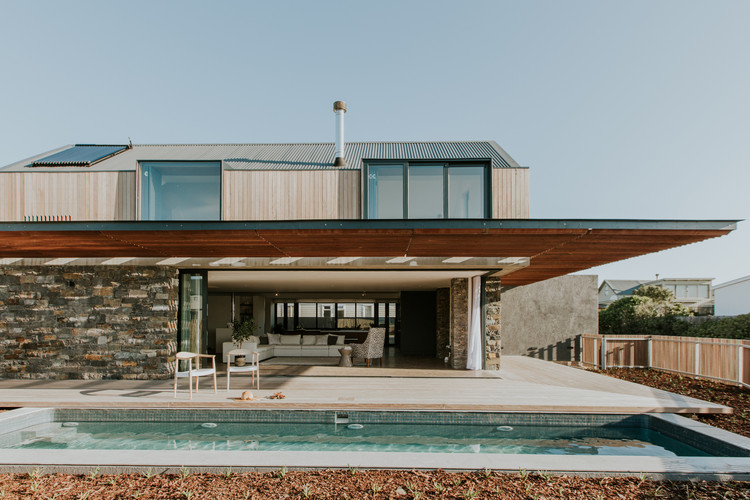



















.jpg?1525869515 "Urban Man Cave / Inhouse Brand Architects. Image © Riaan West")


