
-
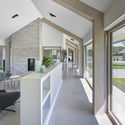
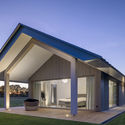
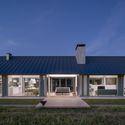
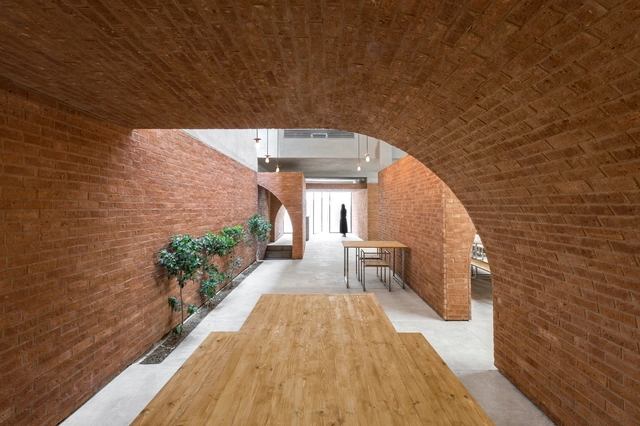
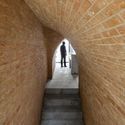
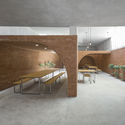
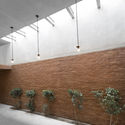
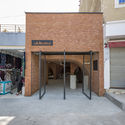
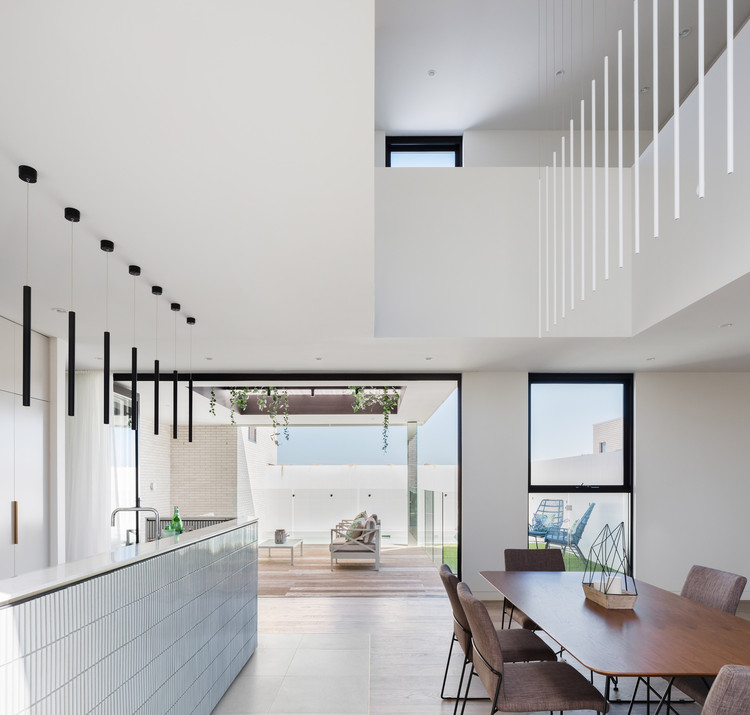
Architects: Hamid Reza Gozariyan
- Area: 280 m²
- Year: 2018
-
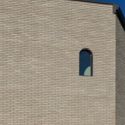
Manufacturers: Qom Masonry Brick Company




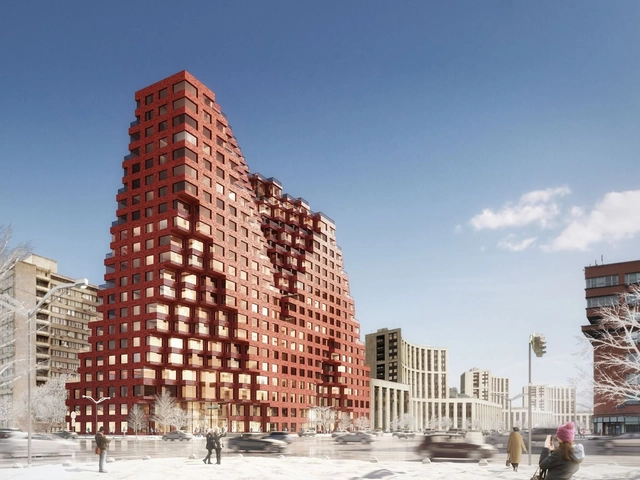
Dutch practice MVRDV have unveiled RED7, a housing project for Moscow and the firm’s first building in Russia. MVRDV won the competition to design RED7 for client GK Osnova in December 2017, and the project has been accepted by the architectural committee of Moscow. Designed with a Minecraft-like gradient of blocks, the project was inspired by its neighboring context. As a symbolic gateway into the city center, the design will include 289 apartments with external terraces and expansive views of Moscow's skyline.
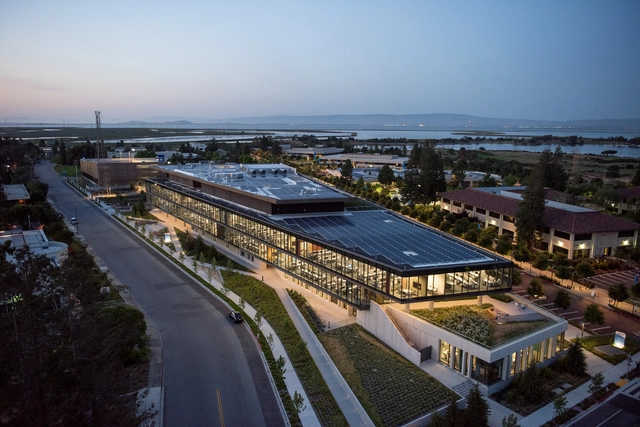
Architect Magazine has unveiled the 2018 edition of the “Architect 50,” their list of the 50 best architecture firms in the United States. This year saw more entrants than ever before, with 160 completed submissions calculated along three categories: business, sustainability, and design.
Topping the list this year was WRNS Studio, followed by Brooks + Scarpa, and William Rawn Associates. Below, we have republished the full list, along with links to their ArchDaily archive of work. Visit the official website here for more information on the methodology, details, and 2019 submission notes.

This article was originally published on CommonEdge as "The Kids are Alright."
Economics and technology affect every profession. But since World War II perhaps no profession has experienced more technological change than architecture. These shifts occurred, paradoxically, within a well-established professional model of personal development: The guild structure of learning in the academy, then becoming professional via internship leading to licensure, has been the structure of practice for almost two centuries.
Once upon a time manual drafting with graphite or ink was applied by white males, and a single sheet master was reproduced with typed specifications added, and buildings were constructed.
That world no longer exists.

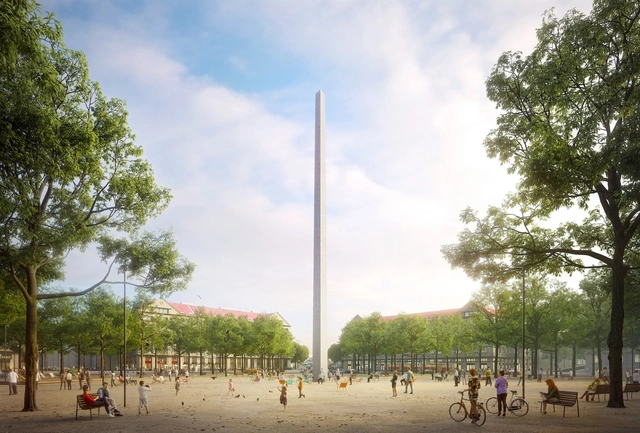
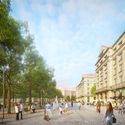
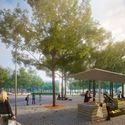
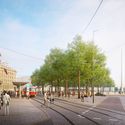
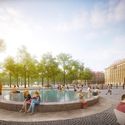
Pavel Hnilicka Architekti is set to design Prague’s Victory Square, having been announced as winners of an international competition. Led by Pavel Hnilička, Eva Macáková, and Josef Filip, the winning scheme seeks to divert all existing traffic away from the square, transforming the space with a striking central monument.
The scheme sees the removal of tram tracks through the square, which will instead be relocated to the west side and Evropská Street. While traffic will be removed from the square, a new traffic plan will, in fact, accommodate more cars than the existing layout, while the center of the existing roundabout will become a “functioning space for universal use.”
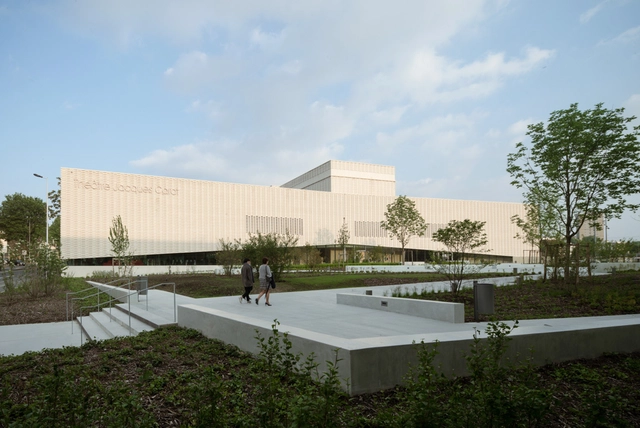

.jpg?1541885288&format=webp&width=640&height=580)
GRAFT has developed a master plan for the Didube Chughureti District in Tbilisi, Republic of Georgia. The master plan for the business district attempts to provide its inhabitants with a healthy working environment by balancing scenic landscaping with the necessary amenities.
The overall complex consists of a pair of complimentary towers: the main tower, in particular, will house the head offices for the Georgian Railway Company. Elements of the façade reflect the railway. The facades, themselves, appear to divide in a similar way to a railway junction. At the base of the tower, the descending curve of the façade plateaus, creating a roof for the new open-air museum, which features locomotives from the Georgian Railway Company.
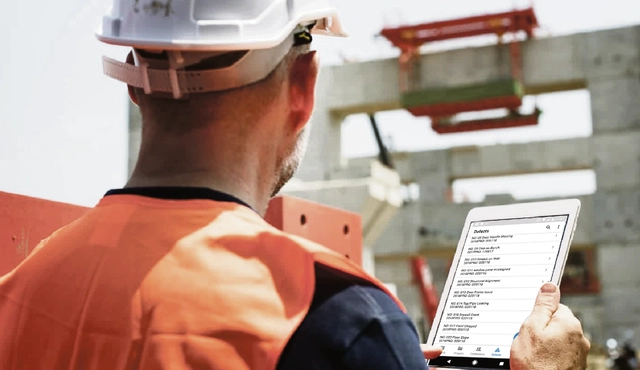
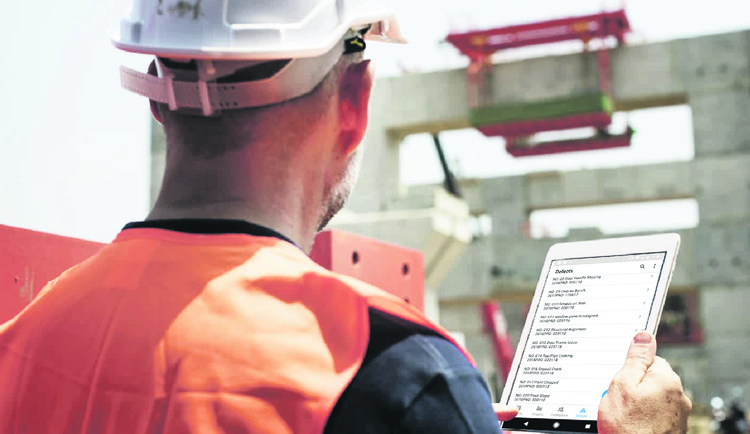
In the planning and construction of buildings and landscapes, it’s important to recognize the strong correlation between design and construction during the different stages of a project. In fact, these stages can best be viewed as an integrated process where one won’t work without the other.
To fully understand how these stages work together, let’s break it down. Simply put, architecture design is the process of creating the layout of a construction project. It’s usually presented through detailed plans, drawings, and specifications. On the other hand, construction planning is a process of identifying steps and resources required to turn those designs into physical reality.









_and_the_adjacent_Sanctuary_(right)_are_seperated_by_a_glass_connector_box_that_serves_as_an_enclosed_a_transition_credit_Connie_Zhou.jpg?1542203407)