Transform your vision into a reality and optimize your architectural drawings with Lumion


Transform your vision into a reality and optimize your architectural drawings with Lumion


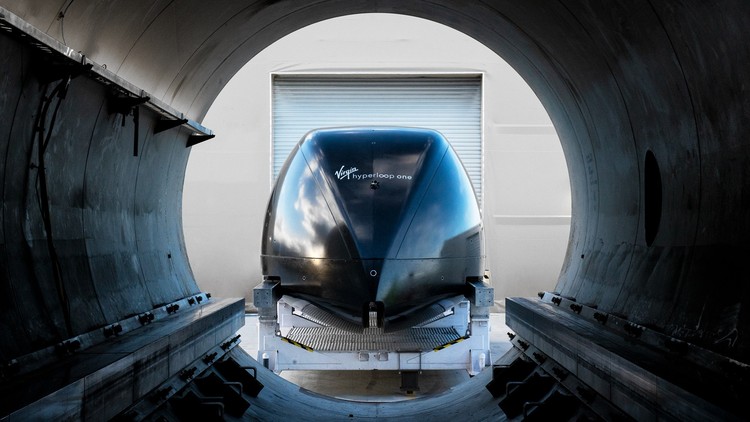
Between advances in autonomous technology and urban population growth, transit is being reimagined on the street and in the air. From public transit transforming to more user-centric mobility services, to rethinking regulatory and organizational status quos, advances in technology are expanding transit opportunities in cities around the world.

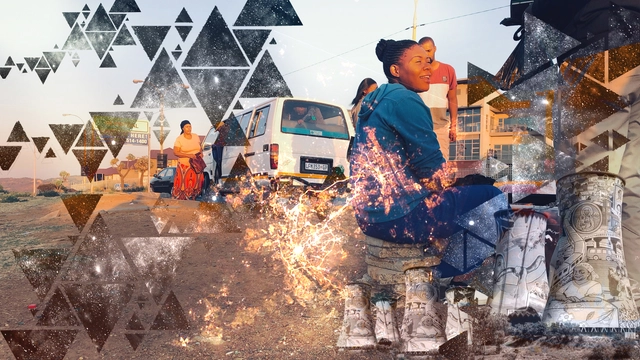
The second machine age, gender-based violence, global south, developing cities, poor infrastructure, influx, digitization, sustainability, Afro-futurism? We keep hearing the buzzwords over and over again but what does it all mean? How do these notions intersect spatially in response to the needs of future city developments? Cities are like ecosystems, collectively dependent on the surrounding environment. The larger and more complex they become, the greater the pressures and repercussions, namely: population growth, urban expansion, and physical resource scarcity.


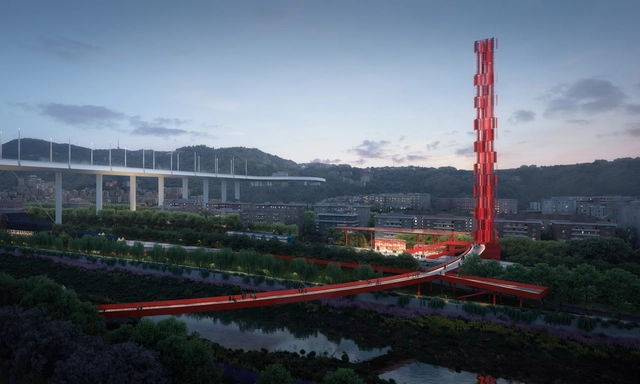
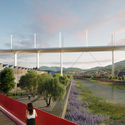
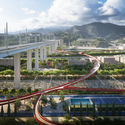
Stefano Boeri Architetti, Metrogramma Milano and Inside Outside have won the competition for the Parco del Ponte in Genoa, Italy. The urban project is located under the new bridge, designed by Renzo Piano to replace the Morandi Bridge that collapsed in August 2018.


The complete Museum of Modern Art expansion by Diller Scofidio + Renfro and Gensler is set to open in New York. The expansion adds more than 40,000 square feet of gallery spaces for exhibiting art. Launched in 2014, the first phase of renovations on the east end was completed in 2017, and the second phase of expansion on the west end is now complete and ready to open to the public.
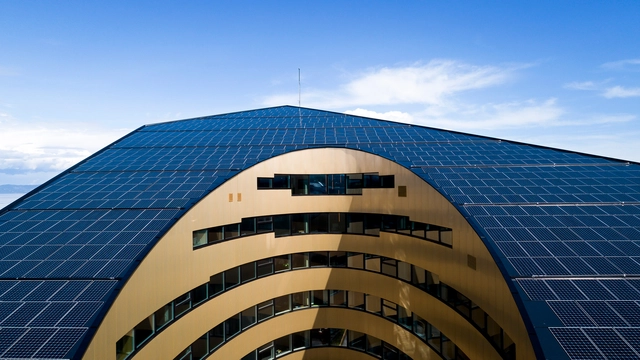
Once restricted to space stations and satellites, photovoltaics are now gaining popularity and becoming an increasingly viable option. Every day, the sun releases an enormous amount of energy, far more than the entire population consumes. Being that the sun is a sustainable, renewable, and inexhaustible source for generating electricity, not using it seems almost counter-intuitive, especially considering the social and environmental impacts of other forms of energy generation. But the technology to create electricity from the sun is by no means simple and still has some limitations, the most significant being price. The following article attempts to explain some basic concepts about this process, and to highlight important considerations for designing a solar energy system.