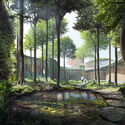
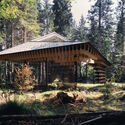
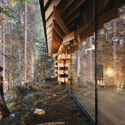
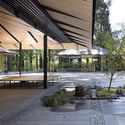
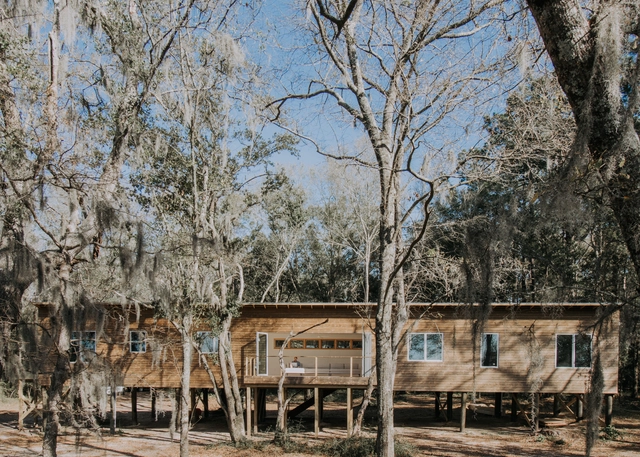
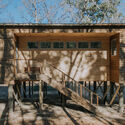
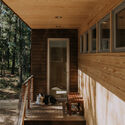
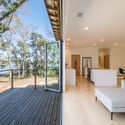
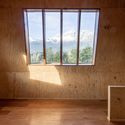
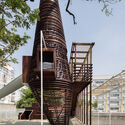
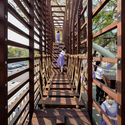
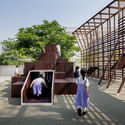
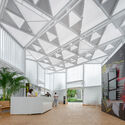
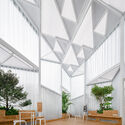
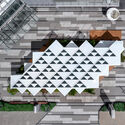
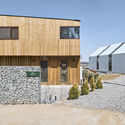
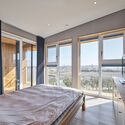
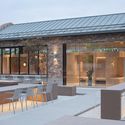
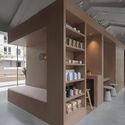
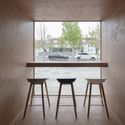
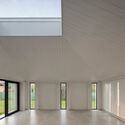
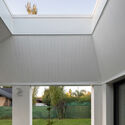
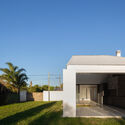
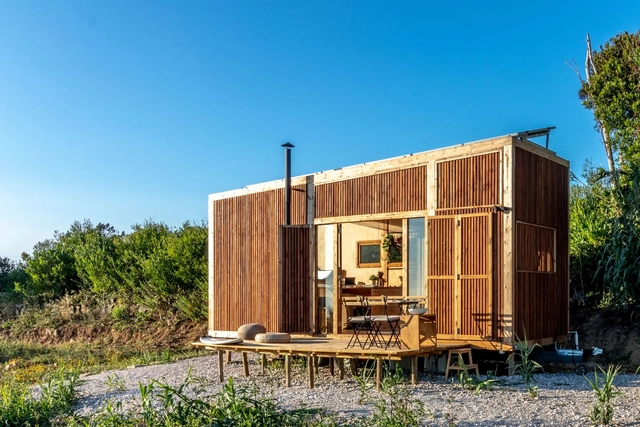
People have fundamental needs that must be met in order to survive, which include: oxygen, water, food, sleep, and shelter. They also have secondary requirements, one of which is daylight. When thinking about how buildings can keep people healthy, it is important to remember that daylighting is essential to wellness, in fact, human circadian rhythms are dependent on it.
For Design and the City's sixth episode - a podcast by reSITE on how to make cities more liveable, the team interviewed Christele Harrouk, Archdaily's Managing Editor and Salim Rouhana, Senior Urban Governance and Resilience Task Team Leader at the World Bank Group. The two Beirut natives talk about the devastating explosion in August last year and share their perspectives on what rebuilding the city could look like.
"We all have to change our way of thinking now. I want to change my architecture to be even more kind to nature," says Kengo Kuma in this Louisiana Channel interview, where he shares his thoughts on the pandemic's impact on architecture and the environment. The architect discusses the collective responsibility towards nature and the importance of designing buildings and cities that allow for and encourage outdoor activities.
The Unidad Vecinal Providencia (Providencia Neighborhood Unit) is one of the many residential complexes generated in Chile as a result of a housing and urban development public policy promoted through the CORVI (Housing Corporation) between 1953 and 1973.
Commissioned by the Caja de Empleados Particulares (Private Employees Fund) to be built on a site where previously the National Children's House was based, the Unidad Vecinal Providencia was designed as a complex capable of becoming an urban piece, promoting spatial integration and social cohesion in Santiago.
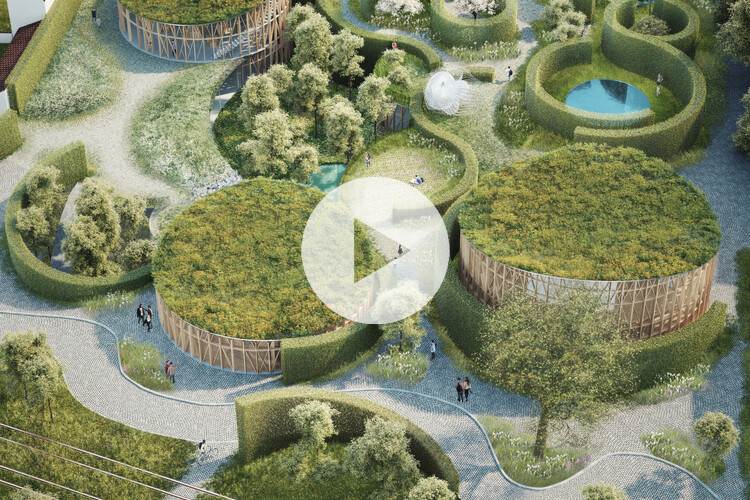
International School. Image Courtesy of CUBE Consultants
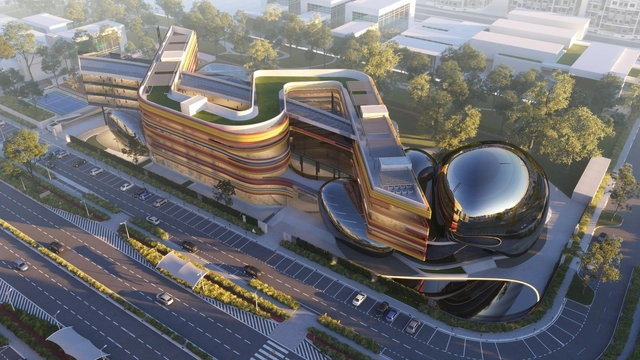
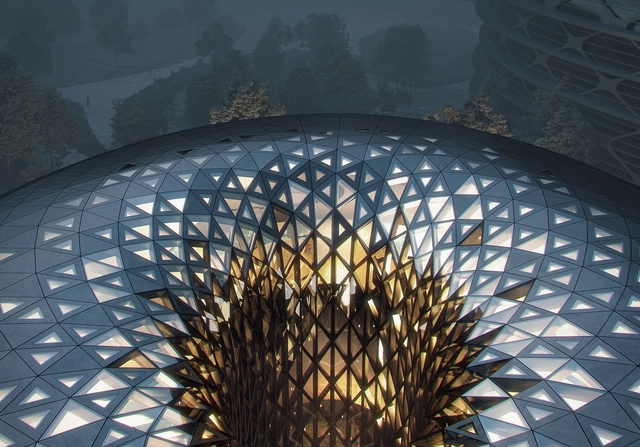
This week’s curated selection of Best Unbuilt Architecture highlights educational architecture submitted by the ArchDaily community. From preschools to higher education institutes, this article explores how architects shifted towards fostering individual creativity, critical thinking, and exploration, and presents projects submitted to us from all over the world.
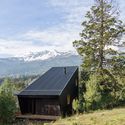
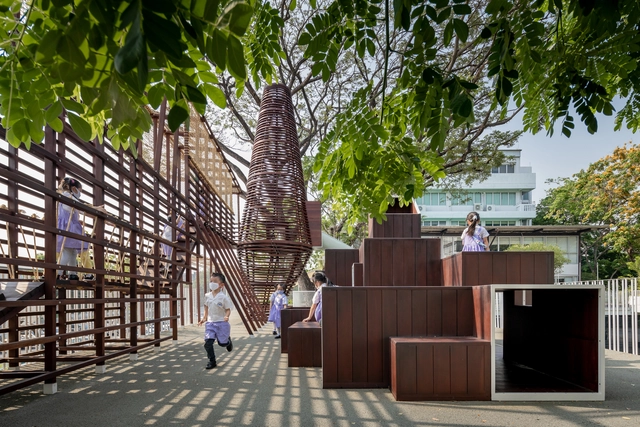
Featuring a secluded kindergarten in the Icelandic mountains, a vibrantly-colored playschool in the industrial city of Shenzhen, and a Florentine high school with a flow of natural sunlight, this round-up explores how architects prioritize student well being and comfort in spaces that promote productivity, learning, and creativity. The selection also includes preschools, high schools, and academies in France, United States, Egypt, Kazakhstan, and Israel.
In May, aec+tech hosted an event on Clubhouse discussing how architects are using generative design in architecture firms today and towards the future. Five guest speakers from reputable architecture and tech start-ups —Zaha Hadid Architects, BIG, Outer Labs, 7fold, and RK Architects— joined the session to share their experiences and insights.
ArchDaily, Strelka Institute, and Strelka KB announce the second edition of their jointly curated award and are accepting applications from the territories of Armenia, Azerbaijan, Belarus, Estonia, Georgia, Kazakhstan, Kyrgyzstan, Latvia, Lithuania, Moldova, Russia, Tajikistan, Turkmenistan, Ukraine, and Uzbekistan. Submit your project by August 8th.