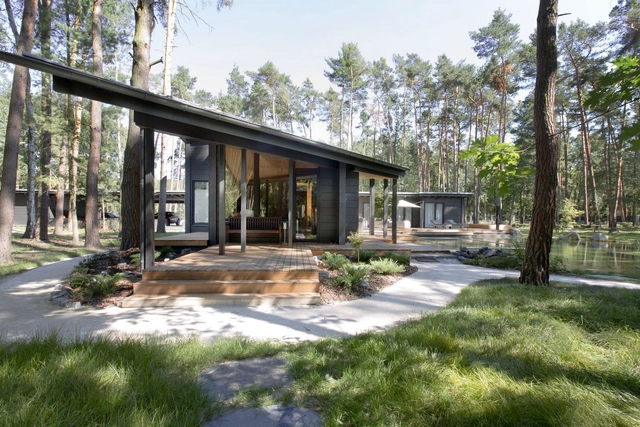
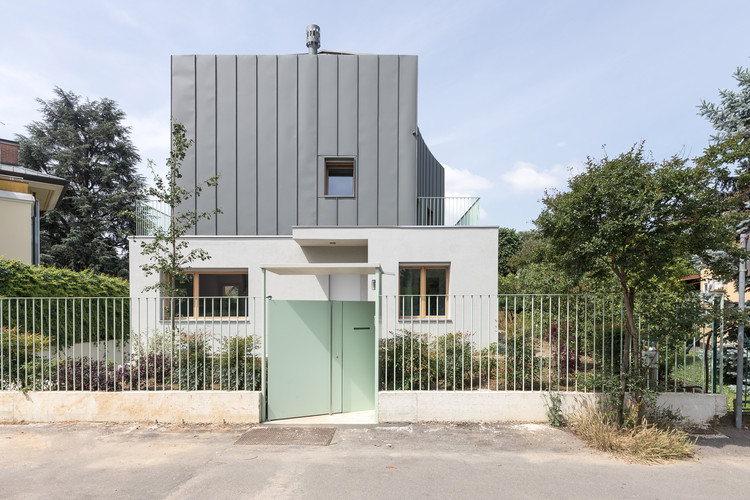
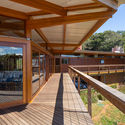
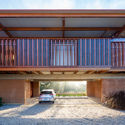
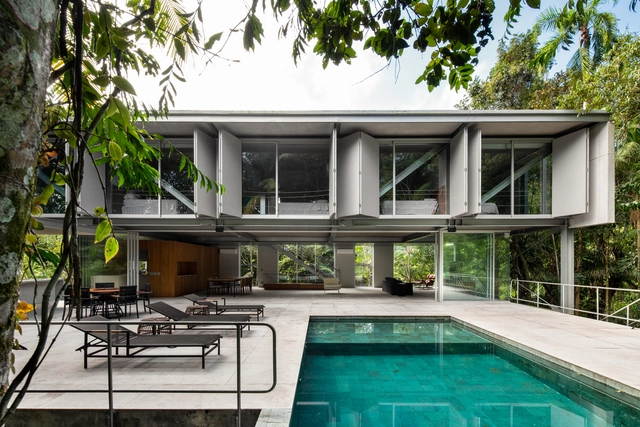
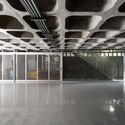
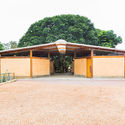
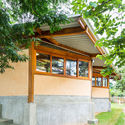
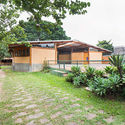
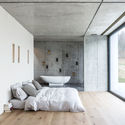
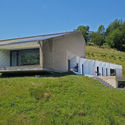
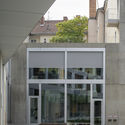
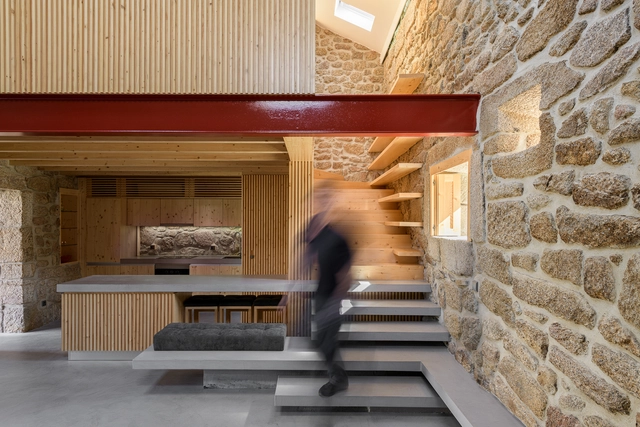
Architecture in the Czech Republic is defined by the country's incredibly diverse landscapes. As one of Europe's cultural hearts, Czechia has a rich history, and was once home to the Kingdom of Bohemia. Today, architects and designers are drawing inspiration from the country's low mountains, foothills and forests as they design a range of secluded residential retreats.
The focus of buildings should ultimately be the well-being of the people using them. When we think of our experiences in hospitals, clinics, the dentist's office, and other medical facilities, the feeling is rarely pleasant. Perhaps it's the smells, the dull, monotone colors, or the sound of medical gadgets working away on some unlucky patient.
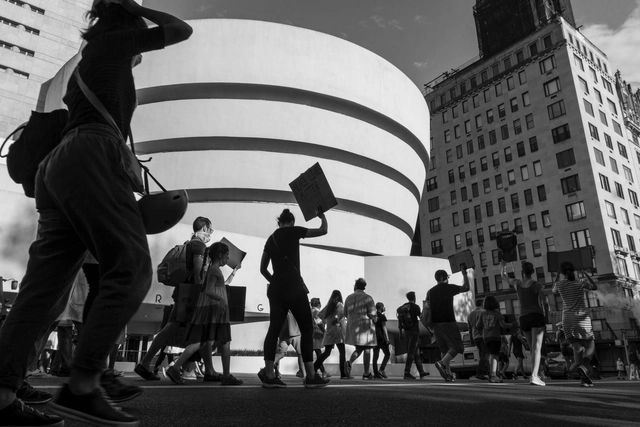
It’s hard to imagine New York City without the packed subway cars, long lines, and overwhelming tourist crowds that felt essential to daily life. Once the fear of the COVID-19 pandemic has waned, the city, like others around the world, will become clouded and fundamentally altered even after economic prosperity has been restored. In what feels like a revolving door discussion, except now perhaps asked with a sense of urgency, what do we want cities to be like in the years to come?
Apart from dressing like an undertaker, wearing black-rimmed circular glasses, and driving Swedish cars, modern architects’ most conspicuous trait is their aesthetic honesty, which is dangerous. Sincerity leaves little room for imagination.
As levels of pollutant emissions have increased over the years, awareness has also grown regarding actions that can be taken to minimize the damage caused to the planet. As a way to promote waste reduction or prevention, the 3 R's rule is created: reduce, reuse and recycle. These actions, together with sustainable consumption standards, have been promoted as a means to protect natural resources and minimize waste.